· Lifestyle Aviation
Charter vs Scheduled Safari Flights: Which Is Right for Your Trip?
Kenya's safari circuit is served both by scheduled airlines and by private charter. Each is the right answer for a different trip — here is an honest comparison.

Kenya is unusual — and fortunate — in having a genuine scheduled safari network. Every morning, scheduled safari airlines fan out from Nairobi's Wilson Airport across the Mara, Amboseli, Samburu and the coast. So when does it make sense to charter instead? Honestly: not always. Here is how the two actually compare, so you can choose well.
How scheduled safari flights work
Scheduled services fly fixed timetables on set circuits, and a circuit is the operative word: the aircraft may touch down at several airstrips in sequence, boarding and dropping passengers at each, before reaching yours. Fares are per seat, which makes scheduled flying economical for one or two travellers, and the morning departure banks are timed reasonably for lodge check-ins. The constraints are the flip side of the fares: fixed departure times, multi-stop routings, strict soft-bag luggage limits (typically around 15 kg per person), and no control over which airstrip the circuit serves first.
How charter works
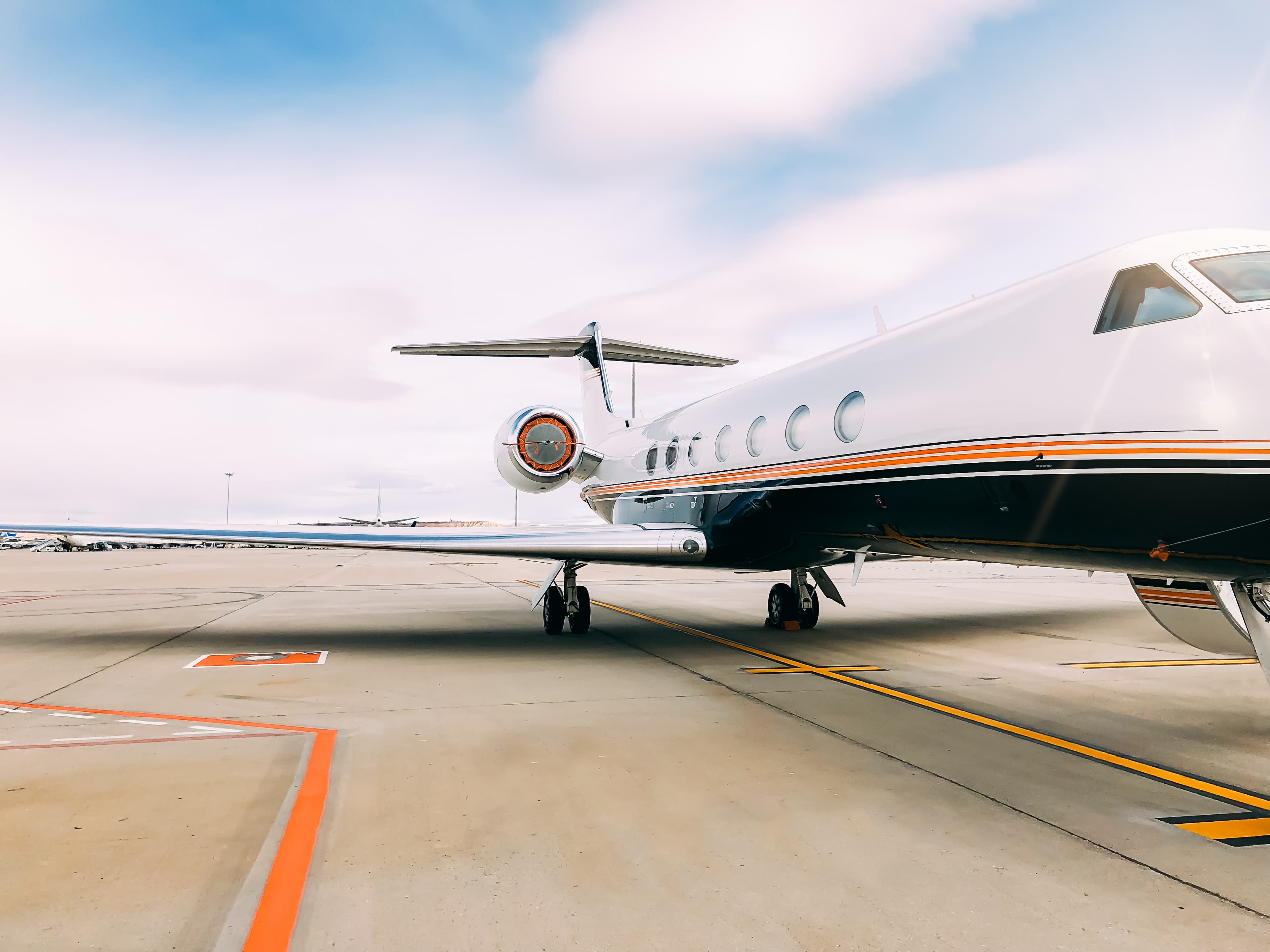
A private charter is your aircraft, your routing, your clock. It flies direct to the airstrip nearest your camp, departs when you choose, and carries what the aircraft can lift rather than what a fare class allows. The price is per aircraft, not per seat — which is exactly why the comparison changes with group size.
The honest comparison
- One or two travellers, standard itinerary: scheduled flights are hard to beat on price. If a circuit serves your airstrip at a workable time, take it with our blessing.
- Four to eight travellers: the mathematics converge quickly. One charter divided across a family or group of friends often lands surprisingly close to the summed scheduled fares — while flying direct, at your hour, with everyone and their luggage on one aircraft.
- Awkward routings: scheduled circuits radiate from Nairobi. Camp-to-camp legs — Mara to Amboseli, Samburu to the coast — often require backtracking through Wilson on schedules, where a charter simply flies the direct line.
- Time-critical travel: international arrival connecting to a same-day bush flight, a photographer chasing first light, a lodge with a hard check-out — charter absorbs schedule pressure that fixed timetables cannot.
- Luggage and equipment: camera kits, drones (with permits), golf clubs, celebration cargo — charter planning treats these as load items to solve, not excess to refuse.
- Remote and private strips: some conservancy and private-lodge airstrips see no scheduled service at all; for these, charter — or a helicopter landing at the lodge itself — is how you arrive.
The middle path: charter one way
A pattern many of our guests use: fly the scheduled service into the Mara, then charter the awkward leg — the camp-to-camp hop, or the direct flight from the bush to Diani that turns a safari-and-beach holiday into one seamless day. Charter is not all-or-nothing; it is a tool for the legs where control matters.
What we would ask you
Three questions decide this every time: how many of you are travelling, how unusual is your routing, and how much does timing matter? Two people, one camp, standard dates — book the scheduled flight. A family, two parks and a beach finish — send us the itinerary and we will quote the charter honestly, including telling you if part of it is better flown scheduled.
The aircraft is never the point. The safari is. Choose the flying that gives you the most of it.